Search for creative financing for RV parks and you will find plenty of content explaining the concepts. Seller financing, sub-to, master leases, equity partners, all covered as a menu of options for buyers who want to avoid a conventional bank loan. What almost none of that content covers is the two things that actually determine whether one of these structures works, the specific documents each one requires and the underwriting that needs to happen before you sign any of them.
Here is the gap. Creative financing for RV parks is not just a tactic, it is a legal structure with real paperwork requirements and real financial exposure if the underlying numbers do not hold up. A sub-to deal without the right disclosures is a liability problem waiting to happen. A master lease without a real spread analysis is a deal that can quietly lose money every month. This is meant to be a working guide, not a tactics list, covering what the documents actually need to say and what math needs to happen before you use any of these structures, because creative financing for RV parks only protects you when the paperwork and the underwriting are both done right.
Why Creative Financing for RV Parks Needs More Than a Tactics List
Most of what gets written on this topic explains the concept and stops there. Seller financing means the seller acts as the bank. Sub-to means you take over payments on the seller’s existing loan without formally assuming it. A master lease means you control and operate the property under a lease with an option to buy later. All accurate, and all missing the part that actually protects a buyer, which documents make each structure enforceable and what underwriting needs to happen before you commit to one.
Creative financing for RV parks carries real legal exposure that a tactics list glosses over entirely. In a sub-to structure specifically, the existing mortgage almost always contains a due-on-sale clause, which gives the lender the right to demand full repayment if the title changes hands. That is not a theoretical risk, it is standard language in the vast majority of commercial and residential loans, and any buyer using creative financing for RV parks through a sub-to structure needs to understand and disclose that risk before closing, not discover it afterward.
The Documents Each Creative Financing Structure Actually Requires
Seller financing requires a promissory note and a security instrument. The promissory note spells out the loan amount, interest rate, payment schedule, and balloon terms if any. The security instrument, a mortgage or deed of trust depending on your state, gives the seller a recorded lien against the property if payments stop. Creative financing for RV parks built on seller carry without a properly recorded security instrument leaves the seller unprotected and can create title problems for the buyer down the road.
Sub-to deals require a purchase and sale agreement with a state specific sub-to addendum. A generic template found online is not sufficient, the addendum needs to be specific to your state’s real estate law. Alongside that, every seller of record needs to execute the deed transfer, including any spouse on title, and a disclosure statement outlining the due-on-sale clause risk needs to be signed by the seller. Best practice across every legitimate source on this topic is the same: use a real estate attorney to draft or review these documents, this is not a DIY contract situation.
Master lease and lease option deals require a master lease agreement plus a separate option to purchase agreement. The lease sets out the monthly payment, maintenance responsibilities, and operating control during the lease term. The option agreement, often recorded as a memorandum of option, secures your right to purchase at a predetermined price or formula. Creative financing for RV parks structured as a master lease without a clearly drafted option agreement can leave a buyer operating the property for years with no enforceable right to actually purchase it.
Every structure needs a disclosure of the underlying loan status. The seller needs to understand and acknowledge that the existing loan stays in their name, that they are trusting the buyer to make payments, and that their credit is at risk if payments are missed. Skipping this disclosure does not just create legal risk, it damages the trust that makes creative financing for RV parks work in the first place.
Every structure needs title work and a recorded deed or lease. Closing through a title company and recording the deed transfer with the county protects both parties and establishes clear title, even in structures where some investors are tempted to delay recording to avoid lender attention. Creative financing for RV parks done properly does not hide the transaction, it documents it correctly and manages the disclosed risk.
The Numbers You Need to Run Before You Sign Anything
Verify the exact underlying loan balance, rate, and payment. Before using creative financing for RV parks in any sub-to or wraparound structure, get the actual current payoff statement and payment history directly from the servicer if possible, not just what the seller tells you. A mismatch here changes every other number in your model, and this single verification step is where a lot of creative financing for RV parks goes wrong before it even starts.
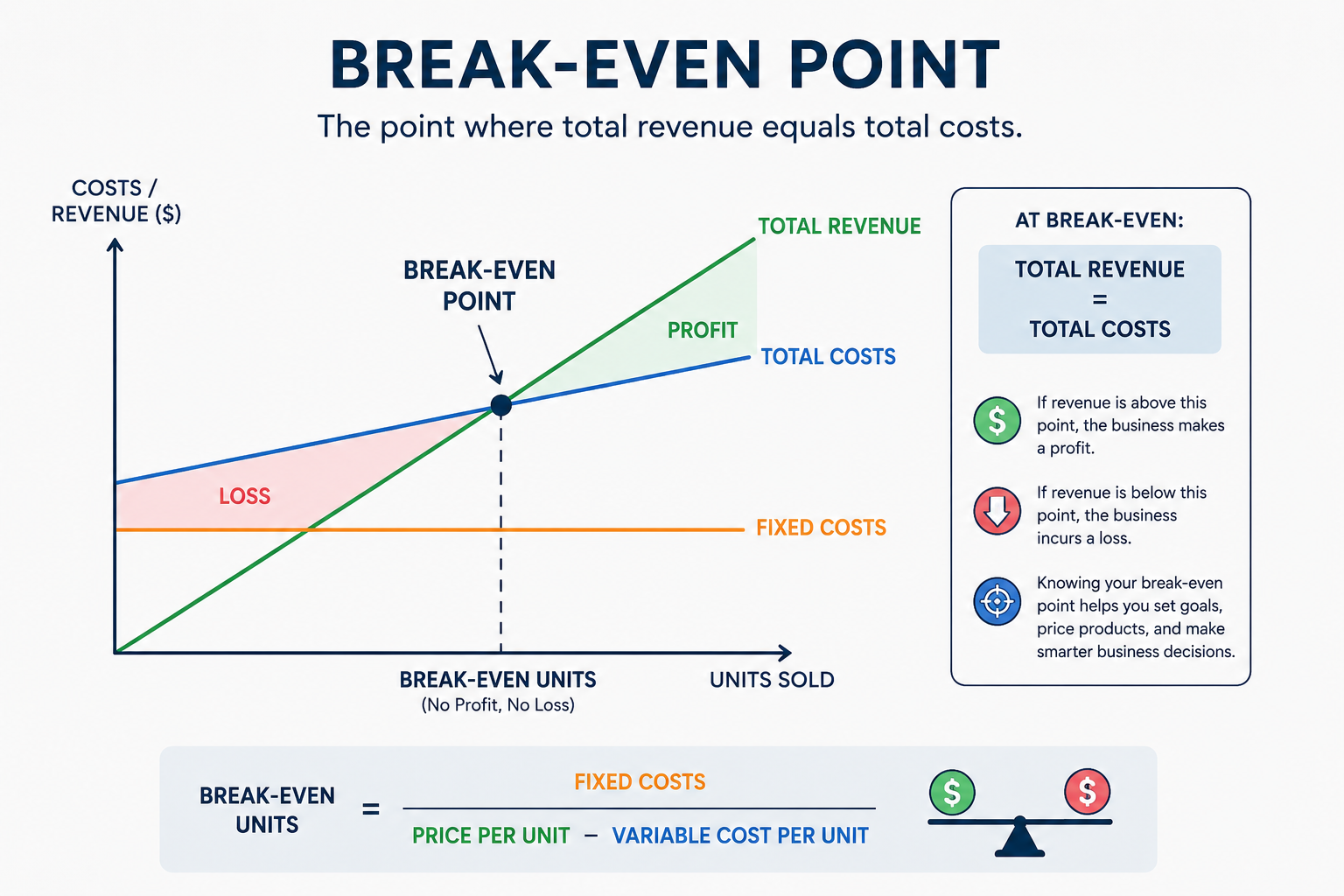
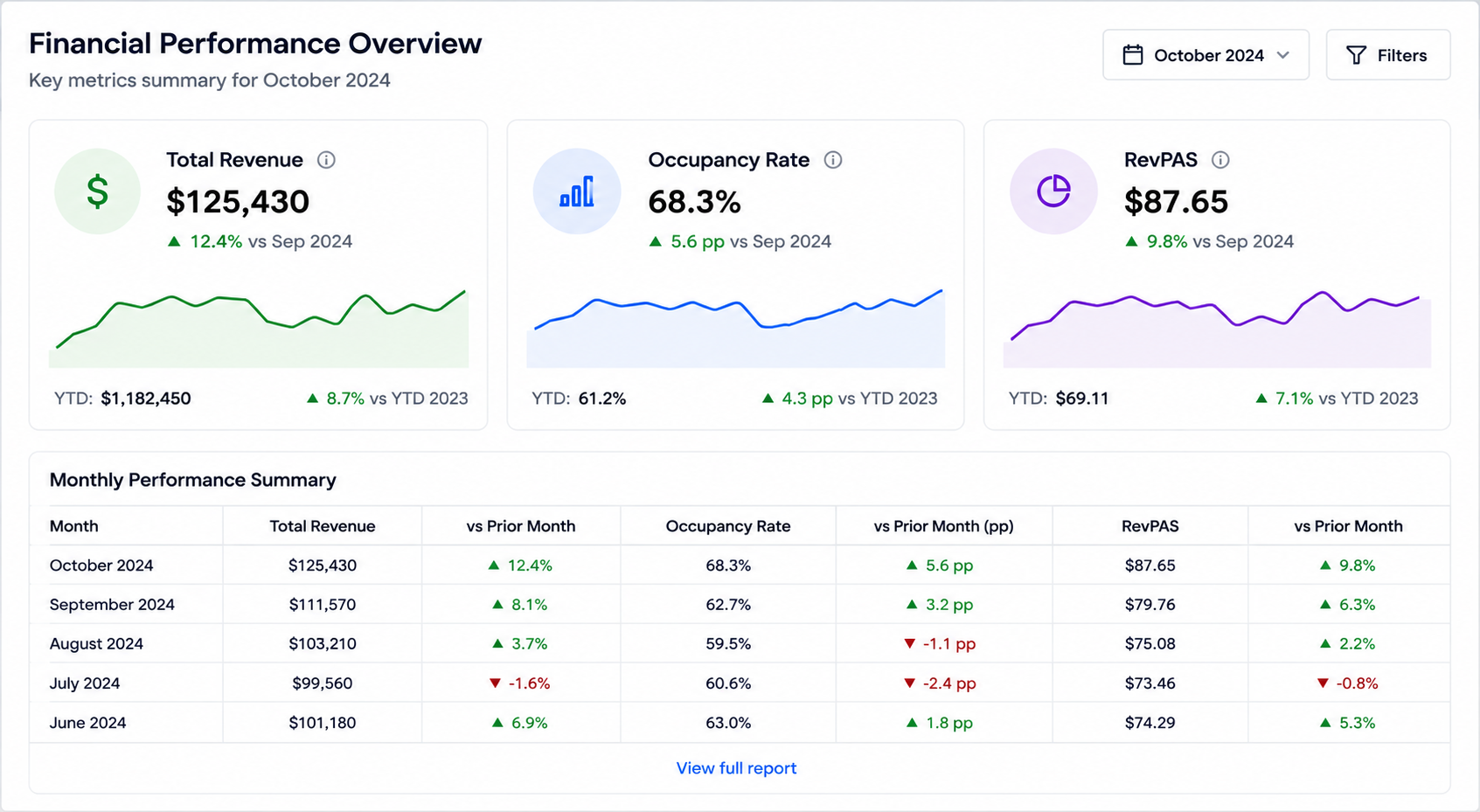
Calculate the real spread in a master lease or wraparound structure. If you are paying the seller one number and the seller (or you, in a sub-to) is paying a lender a different number, the spread between those two payments is your actual margin. Model that spread against realistic occupancy and expense assumptions, not the seller’s best year, the same discipline I covered in my post on the mistake of accepting a seller’s NOI without rebuilding it.
Stress test what happens if the due-on-sale clause is triggered. If the due-on-sale clause is enforced, the deal needs to still work at a higher refinance rate, because the property may not “pencil” if the seller has to find new purchase money financing at a worse rate. Model this scenario before you close, not after a lender’s letter shows up.
Run the full term of the structure, not just the current year. This is the same discipline I wrote about in my post on RV park LOI mistakes, modeling every year of the hold against any balloon, option expiration, or rate reset built into the structure, because creative financing for RV parks that only works in year one is not a deal, it is a countdown.
Confirm the deal still clears your downside scenario, not just your best case. Whatever structure you use, the property needs to service its obligations even if occupancy comes in below plan. My post on what makes an RV park deal worth buying covers this same downside testing, and it applies just as directly to a creative structure as it does to a conventional purchase.
Creative financing for RV parks is a legitimate and often smart way to structure a deal, but it is not a shortcut around underwriting, it is a different set of documents layered on top of the same underwriting discipline every deal requires. The due-on-sale clause itself has a real legal history, formalized federally under the Garn-St. Germain Depository Institutions Act, which makes these provisions enforceable if a lender chooses to act on them. Understanding that history is part of using these structures responsibly rather than treating them as a loophole.
If you are structuring a seller carry, sub-to, or master lease deal on an RV park and want the documents and the numbers reviewed before you sign anything, that is exactly the kind of work I do. Reach out at PVIFinancial.com.
For more on running a profitable, well managed park, check out my Resource Library, and grab a copy of my book From Offer to Operation: The Complete RV Park Investor’s Guide, also available on Amazon.
~Wendi | Fractional CFO | PVIFinancial.com