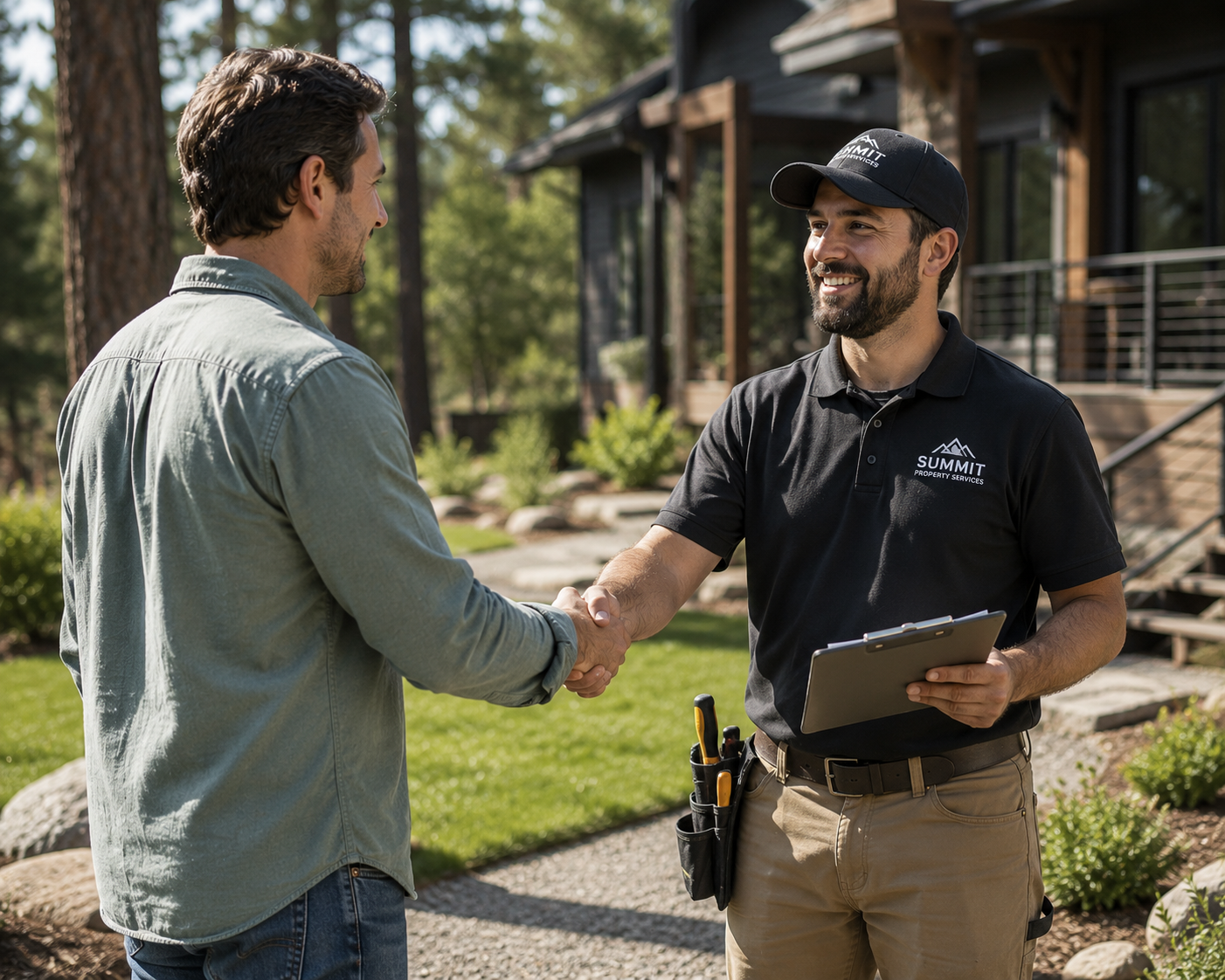
There is a moment that happens to almost every new RV park owner somewhere in the first 90 days of ownership. Something breaks, or a service needs to be scheduled, or a vendor shows up expecting payment on terms you did not know existed, and you realize that the previous owner had a web of relationships, agreements, and informal arrangements that nobody thought to document and nobody transferred to you at closing.
The pool chemical supplier who has been coming every Tuesday for eight years and bills net 30 does not know you exist. The electrician who knows the quirks of the aging distribution system and shows up same day when something fails has never heard your name. The waste hauler who has a verbal arrangement with the previous owner about pickup scheduling just keeps showing up on whatever schedule they agreed to two years ago.
Some of those relationships will transfer smoothly. Others will not. And the ones that do not tend to reveal themselves at the worst possible moment, during peak season, on a holiday weekend, when you are already managing a full park and cannot afford an operational disruption.
Here is how to think about vendor relationships from pre-close through your first year so you are not the new owner piecing it together after the fact.
Before You Close: Know What You Are Inheriting
The due diligence phase is your opportunity to understand every vendor relationship the park has and what the terms of each one are. Most buyers focus on the financial and legal documents and treat vendor contracts as a secondary concern. That is a mistake.
Request a complete list of all current vendors and service providers as part of your due diligence document request. For each one you want to know the nature of the service, the contract terms if there is a written agreement, the payment terms, the renewal or termination provisions, and how long the relationship has been in place.
Pay particular attention to any vendor with a contract that has a remaining term. A laundry equipment lease with 24 months left at $450 per month is a $10,800 obligation you are inheriting. A pest control contract with an auto-renewal clause that triggered last month means you are locked in for another year whether you wanted that vendor or not. A propane supply agreement with a price lock expiring in three months means you are about to face a cost increase that was not in anyone’s financial projections.
Also ask specifically about any verbal or informal arrangements. Long-term owner-operated parks frequently have handshake deals that have never been written down. The seller may not even think to mention them because they are so embedded in how the park operates that they feel like just the way things work. Ask directly: are there any vendor relationships or service arrangements that are not covered by a written contract?
For any vendor with a significant contract, confirm whether the agreement transfers automatically to a new owner or requires the vendor’s consent to assign. Some contracts have anti-assignment clauses that require the vendor to agree to the transfer. If the vendor decides they do not want to work with the new owner, or if they use the transition as an opportunity to renegotiate terms, you need to know that before closing, not after.
At Closing: The Transition That Most Buyers Skip
One of the most valuable things you can negotiate in your purchase agreement is a structured vendor transition period. This means the seller agrees to introduce you to key vendors, facilitate the transfer of accounts and relationships, and remain available for a defined period after closing to answer questions and help smooth the handoff.
Most sellers are willing to do this. Most buyers do not think to ask for it specifically enough to make it happen.
The vendors worth prioritizing in the transition are the ones where the relationship is personal and the institutional knowledge is significant. The electrician who knows your distribution system. The plumber who has dealt with your well and septic infrastructure. The maintenance contractor who knows which sites have drainage issues and which equipment is approaching end of life. These are not interchangeable service providers you can replace with a Google search. They carry knowledge that took years to accumulate and that knowledge has real operational value.
Ask the seller to make personal introductions. Not a list of phone numbers but an actual introduction, even if it is just a phone call or an email that says this is the new owner, please work with them the way you have worked with me. That introduction changes the dynamic significantly in the first few months when you are still learning the property and need vendors who will show up and give you the benefit of the doubt.
Your First 90 Days: Building the Relationships That Will Sustain You
Once you own the park, the vendor relationship work shifts from inheriting what exists to actively building what you need.
Start by meeting every significant vendor in person within the first 30 days. Show up when they are on site. Introduce yourself. Ask questions about the property, not just about the service they provide. A good vendor who has been working with a park for years knows things about the physical condition and history of the property that never made it into any document. That knowledge is worth cultivating.
Pay your vendors on time, every time, from day one. This sounds obvious but new owners who are managing cash flow carefully sometimes slow-walk vendor payments when money is tight. Nothing damages a new vendor relationship faster or more permanently than a pattern of late payment in the first few months. Your vendors talk to each other, and a reputation for paying slowly follows you in ways that are difficult to recover from.
Be honest about what you do not know. Vendors who have been working with a property for years are often the best source of operational intelligence you have in the first 90 days. Ask them what they have observed about the property. Ask them what they think you should know. Most vendors appreciate being treated as partners rather than just service providers and they will tell you things that would otherwise take you years to learn on your own.
Building New Vendor Relationships When the Old Ones Do Not Transfer
Sometimes the seller’s vendor relationships do not transfer. The longtime handyman retires. The pool service company is bought out and the new owners raise rates significantly. The electrician who knew your system moves away. These transitions happen and they are disruptive, but they are manageable if you approach them proactively rather than reactively.
Do not wait until something breaks to find a new electrician. In the first 30 days of ownership, identify the critical service categories where you do not have a reliable vendor relationship and start building those relationships before you need them urgently. Get quotes. Meet contractors. Find out who other park owners in your area use and trust.
Your local RV park and campground association is one of the best resources for vendor referrals. Other park owners in your region have already done the work of finding reliable service providers and most of them are willing to share that knowledge. Join the association, go to the meetings, and ask the questions. The vendor network you build through those relationships will serve you for as long as you own the park.
The Bigger Picture
Vendor relationships are not a glamorous part of RV park ownership. They do not show up in the pro forma and they do not get discussed at acquisition conferences. But they are one of the most reliable predictors of how smooth or how chaotic your first year of ownership will be.
The parks that transition well are the ones where the new owner knew what they were inheriting, asked the right questions during due diligence, negotiated a proper transition period, and invested time in building relationships with the people who keep the property running. The parks that struggle in year one are often the ones where the new owner discovered the vendor situation the hard way, one broken piece of equipment or one missed service call at a time.
Do the work before you close. Build the relationships after you close. And treat every vendor who shows up at your park as a partner in making the asset perform the way you need it to.
If you want help thinking through the vendor and operational transition for a park you are acquiring, or want a fractional CFO in your corner as you navigate the first year of ownership, reach out at pvifinancial.com.
And if you have not grabbed a copy of my book yet, 𝗙𝗿𝗼𝗺 𝗢𝗳𝗳𝗲𝗿 𝘁𝗼 𝗢𝗽𝗲𝗿𝗮𝘁𝗶𝗼𝗻: 𝗧𝗵𝗲 𝗖𝗼𝗺𝗽𝗹𝗲𝘁𝗲 𝗥𝗩 𝗣𝗮𝗿𝗸 𝗜𝗻𝘃𝗲𝘀𝘁𝗼𝗿’𝘀 𝗚𝘂𝗶𝗱𝗲 ($49), it covers the full operational transition framework for new RV park owners. You can get it direct here: wendipvifinancial.gumroad.com/l/kqmyb, or Amazon has it too, just search author Wendi Rook.
Read this next: “Before You Fall in Love With That RV Park, Do This First”
Leave a Reply